
Advanced Technology to STOP Fraud Before, During & After.
~ Proactive & Comprehensive Title and Property Fraud Protection ~
Please be advised that we do not sell, trade, or share your personal data
with third parties. All information provided is maintained in strict
confidence and handled with the highest standards of security and privacy.
Our website is secure, ensuring that your personal information is protected
at all times. www.domidocs.com/privacy

Scroll Down to Learn More
- $200 Billion in Protected Property
- 5-Stars on all Rating Systems
- Protecting HomeOwners since 2016
- Seniors & Responders Discounts
- Multi-Property Discounts
- Long-Term License Discounts
Free title scan via chat
- 100% Customer Satisfaction
- Covers All Types of Title Fraud
- Fraud Restoration Services
Property Fraud
News Ticker
March 24, 2026 Los Angeles, CA
Investigation Into Identity Theft and Title Fraud Scheme Nets 11 Arrests
March 23, 2026 Kanawha County, WV
Man Pleads Guilty to Selling Land That Wasn’t His
March 22, 2026 Queens, NY
DA Urges Queens Homeowners to Protect Against Deed Theft
March 20, 2026 Palm Beach County, FL
Human Diligence Crucial As AI Raises Real Estate Fraud Risks
March 18, 2026 Buncombe County, NC
Lawyer Found Guilty of Equity Erasure Scheme, Sentenced to Prison
March 17, 2026 San Francisco, CA
San Francisco Apartment Scammers Have Invaded Instagram and TikTok
March 16, 2026 Detroit, MI
Deed Fraud Crisis Escalates as Detroit Homes Are Stolen
March 15, 2026 United States
Deepfakes in Home Sales Raise New Risks From Photos to Video Calls
March 14, 2026 Memphis, TN
Woman Sentenced to Over Four Years for Notarizing Fraudulent Deeds
March 11, 2026 Ohio
Near Theft of Ohio Couple’s Property Inspires New Legislation
March 10, 2026 Beverly Hills, CA
Beverly Hills ‘Queen of Real Estate’ Filed $568M in Phony Liens
March 8, 2026 Pennsylvania
Rising Deed Fraud Investigated as Home Theft Fears Grow
March 7, 2026 United States
Scam Impersonating the Dead Threatens Homeownership
March 6, 2026 California
DRE Warns California Seniors of Targeted Property Scams
March 5, 2026 Indiana County, PA
Indiana County Warns of Fraudulent Property Sales by Out-of-State Scammers
March 3, 2026 Altamonte Springs, FL
Altamonte Springs Man Busted In Alleged Plot To Steal Dead Neighbors’ Homes
March 2, 2026 Detroit, MI
Detroit Couple Faces Land Bank Fallout Years After Home Purchase
March 1, 2026 Burbank, CA
Arrests Made in $1M Burbank Real Estate Scam
February 28, 2026 Indiana County, PA
Indiana County Warns of Out of State Property Sale Scam
February 27, 2026 Tampa, FL
Florida Realtor Finds Fake Rental Listing on Facebook as FTC Reports $65M Lost
February 25, 2026 San Francisco, CA
San Francisco Real Estate Scammers Flood Social Media
February 23, 2026 New Hampshire
FBI Warns of Increasing Reports of Deed Theft in New Hampshire
February 22, 2026 Memphis, TN
Woman Gets 4+ Years for Notarizing Fraudulent Property Deeds
February 21, 2026 New York
Convicted Real Estate Fraudster Sanford Solny Seeks to Avoid Jail
February 20, 2026 New York, NY
Man Who Lived Rent Free in NYC Hotel Pleads Guilty to Fraud
AI-Powered Home Title Protection:
Smarter, Faster, Stronger
- AI Threat Analysis - Detects and interprets risk in real time.
- Threat Severity Index (1–4) - Understand urgency at a glance.
- Alerting Methodology - Bell, Email, Text, and Call notifications
- Homeowner Glossary - 900 key terms simplified and searchable.
No Comparison: The Industry’s Most Advanced Protection.
The ONLY company protecting against:
- Property Theft- Title, Deed Fraud & Forgeries
- Equity Theft- Fraudulent Loans & Lines of Credit
- Rental Theft- Unknown Rental & Revenue Theft
- Clouded Title- Fraudulent Claims & Encumbrances
- Lien Filings- 80+ Different Types of Property Liens
- Unknown Missed Payments - Mortgage, Taxes, Lease, POA/HOA
- Data Errors - County, State, Federal & Corporate Databases
Immediate detection and action is the best homeowner defense!
Here is EXACTLY Why You Want HomeLock™
- The only system that catches fraud before during and after it happens
- Single Most Proactive and Effective System Available
- Private Search Engine for Internet Address Monitoring
- Detailed 7-Year Home History Scans & Report Included
- Data Correction and Fraud Resolution Included
- Google 5-Star Rated Live U.S. Based Customer Service Team
- Powered by the DomiDocs Homeowner Enablement Platform®
Most vulnerable victims identified and ranked
- High equity, no mortgage homes
- Non-owner occupied homes
- Vacation homes
- Rental homes
- Investment properties
- Foreclosure properties
- Senior homeowners
- 1st-time homeowners
- Deployed military homeowners
- International homeowners
- Multiple homeowners
- ADA, Disabled homeowners
Register today to receive your Home History Scan!

What Happens when an Alert is Detected?
- 1. When alert is detected you'll receive an immediate notification.
- 2. Login & review the activity found for your property.
- 3. Snooze the alert if activity is known or expected.
- 4. If the alert is not expected, contact our property fraud protection team for next steps by using the chat feature right here on this page.

Has a Lien been placed on your property without your knowledge?
- Federal Liens
- HOA Liens
- Mechanics Liens
- Construction Liens
- Judicial Judgments
Don't be caught off guard. HomeLock continuously monitors these records, keeping you informed, 24/7/365.
200+ Data Points
 Has someone listed your house for sale without your knowledge?
- Multiple Listing Service (MLS)
- Realtor.com
- Zillow
- Trulia
- Redfin
- Craigslist
Sale Listings
 Has your title been changed in public records and a new deed been issued?
- Government Databases
- State and County Recorders
- Official Records
- Third-Party Databases
- Judicial Judgments
Title Changes
 Was your home, investment or vacation property listed for rent without your knowledge?
- Craigslist
- Zillow
- Trulia
- Redfin
- Realtor.com
Rental Listings
 Has your property been listed on major search engines
and the internet?
Has your property been listed on major search engines
and the internet?
- Bing
- Yahoo
- Duck Duck Go
- Popular Social Platforms
Property Address
Property Fraud is one of the Fastest Growing Crimes in America
$55 Trillion
283%
$36 Trillion
Property Fraud is one of the Fastest Growing Crimes in America.
$55 Trillion
283%
$36 Trillion





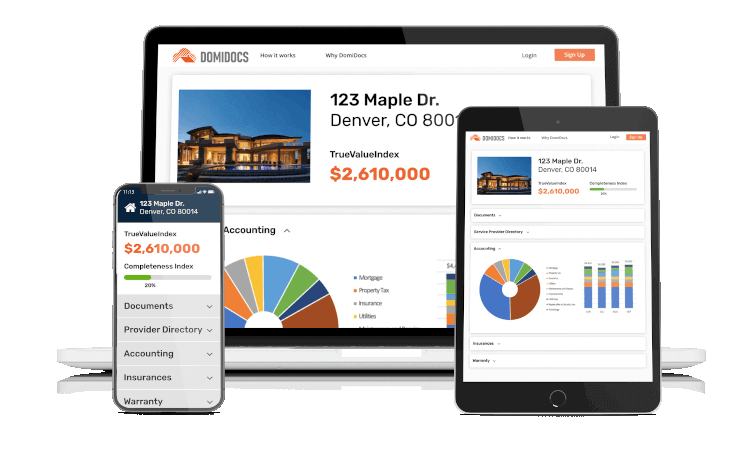
HomeLock™ includes our award winning
Homeowner Enablement Platform®

Value Tracking

Accounting

Calendar

Service Provider Management

Inventory Tracking
Education & Articles

Document Storage

Warranty Tracking
Partnered with Industry Leading Data & Security Companies





About Us: Advanced Property Fraud Protection
Property fraud is one of the fastest-growing financial crimes against homeowners. HomeLock® delivers proactive property fraud protection by monitoring your home for early warning signs of fraud, errors, and unauthorized activity. Using AI-driven, parcel-based monitoring, HomeLock scans over 200 data points daily, including title records, online marketplaces, rental platforms, lien filings, and public-record changes. If suspicious activity appears, HomeLock alerts you in real time so you can respond before damage escalates. HomeLock helps protect what matters most: your property, your ownership rights, and your equity.