Homeowner Education

The latest news, tips, and tricks for homeowners

HomeLock™ (Property Fraud)

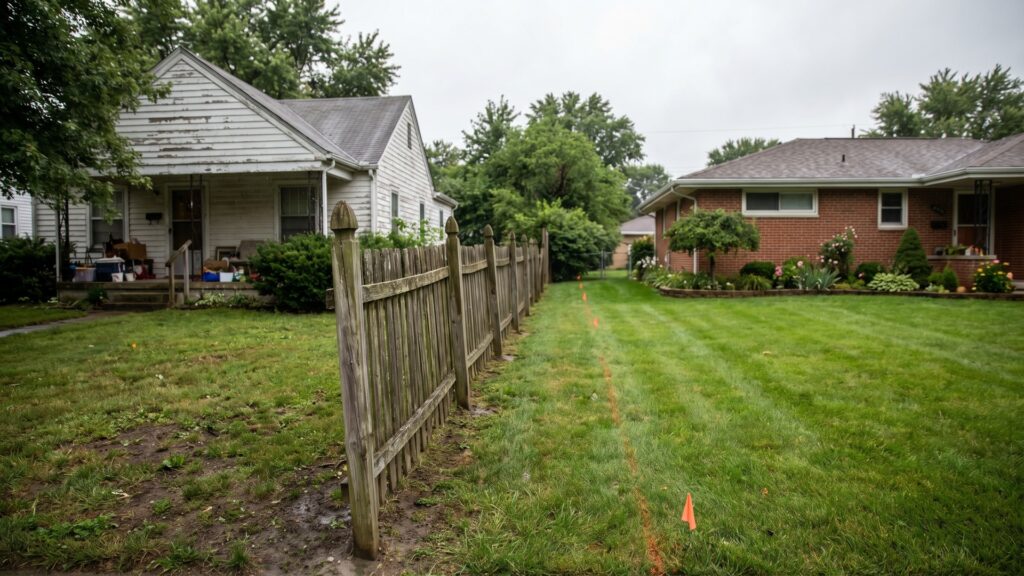
What Is an Easement on a Property?

An easement gives someone else the legal right to use part of your land — even without your permission. Learn the types of easements, how they affect your title, and what every homeowner needs to know.

What Is a Lis Pendens?

A lis pendens is a public notice that a lawsuit involving your property is pending — and it can freeze a home sale in its tracks. Learn what it means, why it is filed, and how to remove it.

What Is a Transfer on Death Deed?

A transfer on death deed lets you pass your home directly to a beneficiary when you die, bypassing probate. Learn how TOD deeds work, their pros and cons, and the fraud risks every homeowner should know.

What Is Adverse Possession?

Adverse possession is a legal doctrine that allows a trespasser to claim legal ownership of your property after occupying it openly and continuously for years. Learn the requirements and how to protect your land.

What Is a Quiet Title Action?

A quiet title action is a legal proceeding used to establish clear property ownership, remove fraudulent deeds, and resolve title disputes. Learn how it works and when you need one.

Does Title Insurance Cover Fraud After You Buy a Home?

Standard owner’s title insurance protects against pre-purchase title defects but generally does not cover deed theft or fraudulent transfers that occur after closing. Learn what is and isn’t covered, and how active property monitoring fills the gap.

Can Someone Take Out a HELOC on My House Without My Knowledge?

Yes, someone can take out a HELOC on your house without your knowledge through identity theft or deed fraud. Learn the warning signs and how to protect your home equity with HomeLock™.

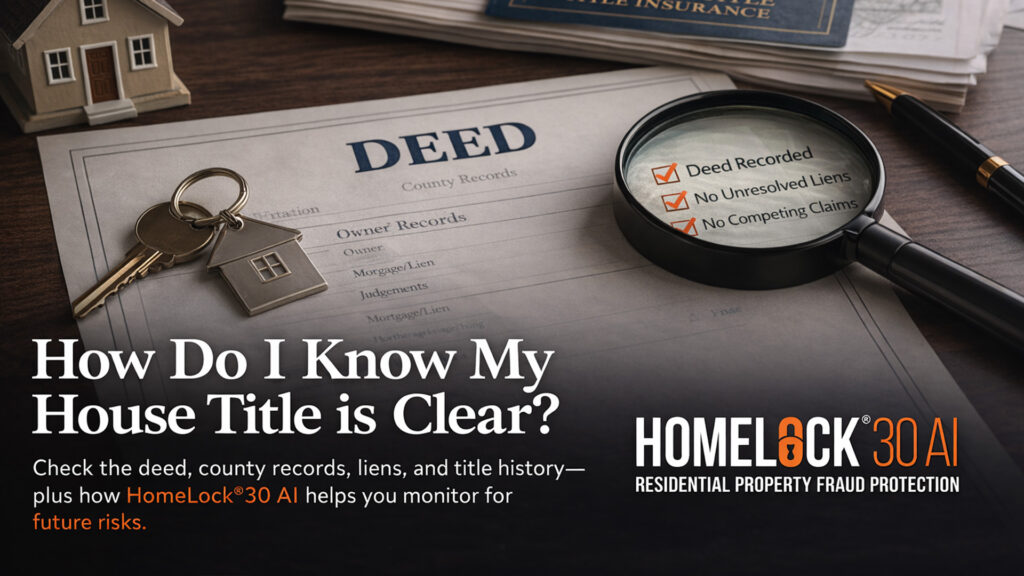
How Do I Know If My House Title Is Clear?

How do I know if my house title is clear? Learn the homeowner checks that reveal liens, title defects, recording errors, and other risks that can cloud ownership.

What Is a Property Fraud Alert? What It Does—and Does Not—Do for Homeowners

A property fraud alert is not protection. It does not stop deed fraud, block filings, or lock your title. Instead, it alerts you after a monitored filing is detected so you can respond faster. This guide explains what county property fraud alert programs actually do, what they miss, and why homeowners should treat them as an early-warning tool rather than a complete safeguard. You’ll learn how free county alerts usually work, which homeowners should care most, what steps to take after an alert, and how alerts fit into a broader property-fraud response strategy that includes strong records, monitoring, and faster action when something looks wrong.


How Criminals Use AI to Steal Home Titles: How to Stop Them

Every year, thousands of homeowners discover their property has been stolen without their knowledge. Criminals are now using artificial intelligence to forge deed documents, clone identities, and bypass traditional fraud detection systems with alarming speed and accuracy. AI-powered tools can generate convincing fake IDs, replicate notary stamps, and produce fraudulent deeds that fool county recorders. This guide explains exactly how AI-enabled home title theft works, who is most at risk, the warning signs to watch for, and the proactive steps every homeowner can take today — including continuous property monitoring with HomeLock — to protect their most valuable asset before criminals strike.