

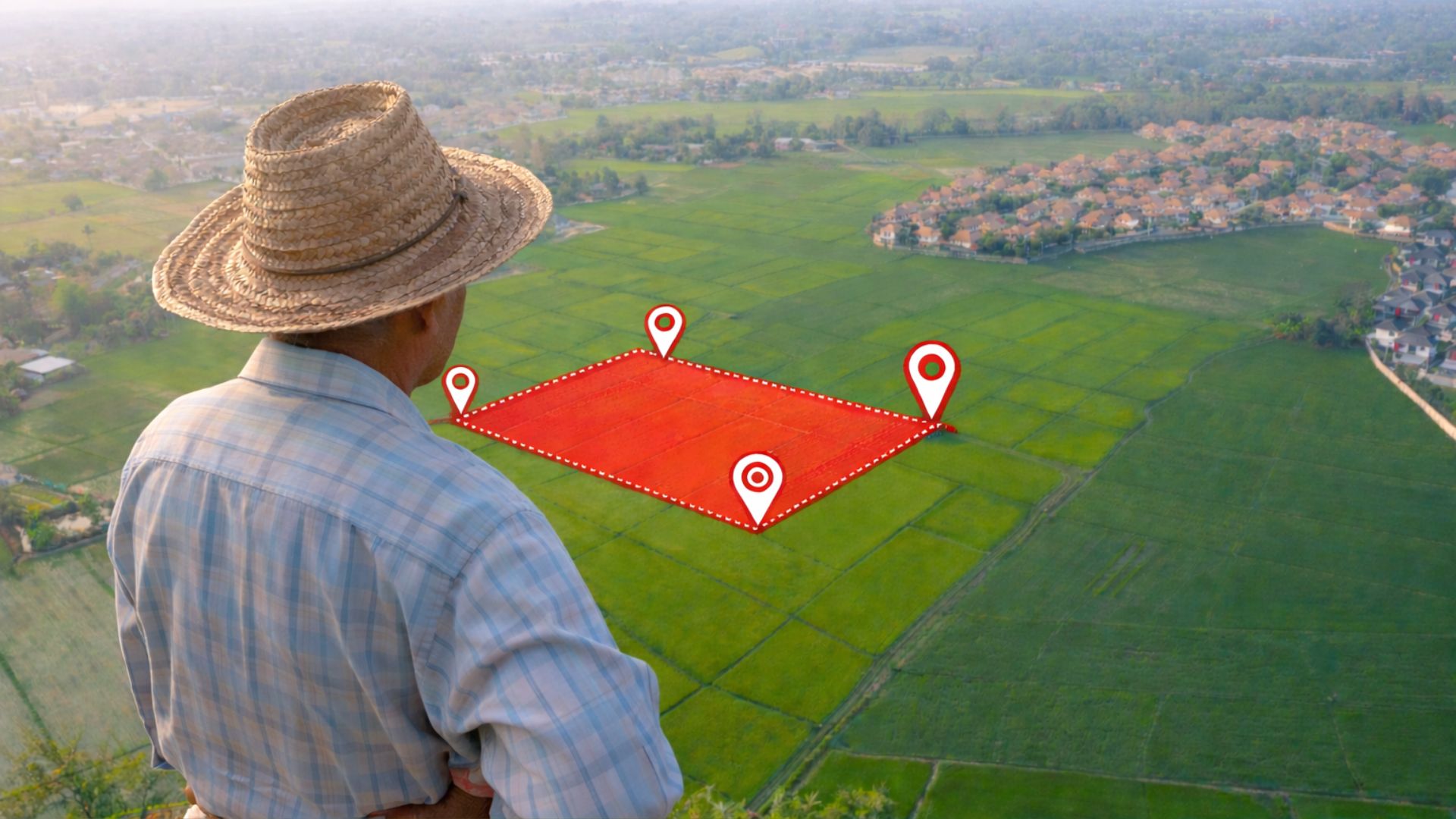
How to protect land property from fraud.
To protect land property from fraud, use layered defenses: public-record monitoring, strong identity and document security, smart transaction verification, and a clear response plan—then add property-focused protection tools (like HomeLock) based on your risk profile.
To protect land property from fraud, combine public-record monitoring (county/recorder alerts and periodic record checks), strong identity and document security, and a clear response plan for suspicious filings—then consider reputable title-related protections (like title insurance) and property-focused monitoring/assistance services (like HomeLock) based on your risk profile, especially for vacant land or out-of-state ownership.12
Table of contents
- Why land property fraud happens
- Common land and deed-fraud schemes
- How to protect land property from fraud.
- What to do if you suspect fraud
- Tools and services that can help
- FAQs
- Sources
Land property fraud (often discussed as deed fraud, title fraud, or seller impersonation) typically involves someone recording forged or misleading documents in local land records to claim ownership, place liens, or attempt an illegal sale. Vacant land and properties owned remotely can be especially attractive targets because unusual activity can go unnoticed longer.3
If you want a deeper overview of title-focused protection concepts, see home title protection. If you want a practical walkthrough of property-level monitoring (what it is and what it isn’t), see How Does HomeLock Actually Work? A Simple Explanation.
Why land property fraud happens
Most real estate ownership changes are validated through documents recorded in county or local land record systems. Fraudsters may exploit the fact that recorder offices generally record documents that appear properly executed on their face, which can make early detection (alerts and monitoring) a practical first line of defense.14
It also helps to remember that “land fraud” is rarely just one weakness. Many cases combine public-record changes with identity theft tactics, compromised mail, or pressure-based transaction scams. That’s why the best approach is layered: monitor records, protect identity and documents, and verify communications during any sale or refinance process.2
Common land and deed-fraud schemes
- Forged deed transfers: A criminal impersonates the owner and records a deed transferring ownership (often using fake notarizations or stolen identity details).14
- Seller impersonation (vacant land scams): A fraudster poses as the landowner, lists the property, and tries to push a fast sale—sometimes targeting lots and rural parcels where the real owner is not local.3
- Fraudulent liens or mortgages: False documents are filed to encumber the property, creating legal and financial complications even if you ultimately restore title.4
Related reading: Deed Fraud vs. Identity Theft: Understanding the Connection.
How to protect land property from fraud.
1) Turn on county/recorder alerts and monitor land records
Start with the simplest, highest-leverage action: enroll in any property-recording alert service offered by your county (or a partner program) so you’re notified when a document is recorded under your name or against your property.15
- Search your county recorder/register of deeds site for “property fraud alert,” “recording alert,” or “deed alert.”5
- Set a calendar reminder to periodically search official land records for your parcel number, owner name(s), and legal description—especially if the land is vacant or out of state.3
If your county’s alerts are limited (for example, notifications only after recording, or alerts tied to name matching), consider supplementing them with an address- or parcel-based approach that can consolidate signals across your properties.
2) Secure the “inputs” fraudsters use: identity details and ownership documents
Deed fraud often overlaps with identity theft—criminals rely on personal data (and sometimes stolen or copied documents) to appear credible and complete filings.2 Practical steps include:
- Store deeds, surveys, closing statements, and estate documents securely (locked physical storage and/or encrypted digital storage). For a security term you’ll see often, learn what AES 256-bit encryption means in plain English.
- Protect mail related to taxes and property (for example, use secure mailboxes and promptly investigate unexpected address changes).1
- Consider broader identity protection hygiene (credit monitoring, account security, strong passwords, multi-factor authentication) to reduce the odds your information is used in an impersonation attempt.2
3) Understand what “title monitoring” can—and cannot—do
Some services marketed as “title lock” are best understood as monitoring/alert services, not a literal “lock” that prevents recording. The U.S. Federal Trade Commission notes that monitoring typically tells you after a suspicious change is recorded, which is still useful—but not the same as preventing the filing.2
A practical way to evaluate any monitoring service is to ask:
- What triggers an alert (recording only, or broader signals like listings and impersonation attempts)?
- Is monitoring based on your name, your address, your parcel number, or a combination?
- What happens after an alert (guidance only, data correction support, or coordinated resolution steps)?
For a DomiDocs-specific explainer on how monitoring works in practice, see How Does HomeLock Actually Work? A Simple Explanation.
4) Use title insurance appropriately (and ask about endorsements)
Title insurance is commonly designed to address certain title risks and defects (often focused on the period before policy issuance). For some homeowners, additional endorsements or products may be available that address specific fraud/forgery scenarios—ask your title professional what is offered in your state and what is covered and excluded.46
Title insurance and monitoring serve different purposes. Many owners use both: insurance for covered losses under the policy terms, and monitoring to improve the odds of early detection and faster response.
5) Reduce exposure for vacant land and remote ownership
Vacant land can be harder to “notice” in day-to-day life, which is why it’s frequently mentioned in law enforcement advisories and industry guidance. Increase friction for scams by adding visibility and verification steps.34
- Post “Not for sale” signage where appropriate (and safe), and keep boundary markers maintained so neighbors can recognize suspicious activity.
- If the land is listed for sale, require identity verification protocols with your agent and closing team (for example, verified contact methods, notary rigor, and anti-impersonation checks).46
- Maintain accurate mailing addresses with the county for tax and notice delivery and promptly investigate any unexpected mail or changes.1
- If you manage multiple properties, consider tools that consolidate monitoring and records in one place, so “quiet” parcels don’t fall through the cracks.
If your main concern is home title and property fraud (including vacant land parcels), you can also review How Can I Protect My Home Title From Fraud in 2025? for a broader strategy overview.
What to do if you suspect fraud
If you receive an alert, see an unfamiliar document, or discover your land listed for sale without your authorization, act quickly:
- Contact the recorder/register of deeds office to understand what was filed and obtain certified copies as needed.
- Contact local law enforcement and file an official report (documentation helps establish a formal record of the dispute).3
- Consult a real estate attorney experienced in title disputes in the county where the property is located.
- Notify parties involved (brokerages, listing sites, potential buyers, and closing professionals) if the property is being marketed fraudulently.
Tip: keep a “proof of ownership” packet ready (digital and/or physical) with your deed, recent tax bill, closing statement, and key contacts. In a dispute, organized records can reduce delays when you’re asking others to treat a filing as suspicious.
Tools and services that can help
- County recording alerts: Many jurisdictions offer notifications when documents are recorded, which can speed up detection.15
- Property record monitoring services: These can supplement county alerts, especially if you own multiple properties or want consolidated notifications (understanding they are monitoring, not a “lock”).2
- Title professionals and closing teams: Industry groups have published recommendations to reduce deed fraud, including identity verification and anti-impersonation measures.4
- HomeLock by DomiDocs: HomeLock is a proactive property fraud protection system that monitors using property address and parcel number (not just a person’s name), runs daily monitoring that includes internet scanning tied to the property, and provides a threat-severity approach to alerts and next steps. It’s commonly used as an added layer alongside county alerts and (where appropriate) title insurance. Learn more at domidocs.com/homelock or review the overview page at HomeLock™ by DomiDocs®.
Most owners get the best results by stacking tools: record alerts for speed, good identity/document hygiene for prevention, and a property-focused monitoring and support layer to help you respond quickly if something appears wrong.
If you want a single place to start for property-focused protection, HomeLock is designed to monitor by address and parcel number (including vacant land parcels), interpret activity using a threat-severity approach, and help you take action when something looks suspicious. See How HomeLock works or go straight to domidocs.com/homelock.
Note: monitoring and alerts generally do not “block” a filing from being submitted; they help you discover issues earlier so you can respond faster.2
FAQs
Can land property fraud happen if my land isn’t for sale?
Yes. Many schemes involve forging documents or impersonating owners to record changes or attempt a sale even when the owner did not initiate a transaction, which is why alerts and periodic record checks matter.13
Do county fraud alerts prevent deed fraud?
Alerts typically don’t prevent a recording from being submitted, but they can help you detect suspicious filings sooner so you can respond quickly.25
Is “home title lock” the same as insurance?
Not necessarily. The FTC notes that many “title lock” offerings are monitoring services (alerts after changes), and they are not automatically the same as insurance or a prevention mechanism.2
What’s the single best first step to protect vacant land?
Enroll in your county’s recording alerts (if available) and set a schedule to review official records for your parcel—vacant land is repeatedly flagged as a target in fraud advisories and industry guidance.34
Should I use more than one monitoring approach?
Often, yes. County alerts can be a strong baseline for recorded documents, while supplemental monitoring can help consolidate notifications and surface other signals (like suspicious listings) sooner. If you want a DomiDocs option that monitors by property address and parcel number, see HomeLock.
HomeLock is DomiDocs’ proactive property fraud protection system built to help homeowners spot suspicious activity tied to a property address or parcel number and respond quickly when something doesn’t look right.
Explore HomeLock here: domidocs.com/homelock.
If you’re comparing options, you can also review the educational overview: How Does HomeLock Actually Work?
Sources
- O’Brien, S. (2024). How to Protect Your Home From Deed Fraud. Kiplinger. https://www.kiplinger.com/article/real-estate/t048-c050-s002-how-to-protect-your-home-from-deed-theft.html
- Federal Trade Commission. (2024, August). Home title lock insurance? Not a lock at all. Consumer Advice. https://consumer.ftc.gov/consumer-alerts/2024/08/home-title-lock-insurance-not-lock-all
- Federal Bureau of Investigation, Newark Field Office. (2024). Fraudsters Are Stealing Land Out from Under Owners. FBI.gov. https://www.fbi.gov/contact-us/field-offices/newark/news/fraudsters-are-stealing-land-out-from-under-owners
- American Land Title Association. (2024, August 7). Consumer and Industry Advocates Highlight Deed Fraud Prevention. https://www.alta.org/press/08072024_Deed%20Fraud%20%20Press%20Release%20_Final.pdf
- Property Fraud Alert. (n.d.). Property Fraud Alert. https://www.propertyfraudalert.com/
- PR Newswire. (2025, August 20). American Land Title Association Announces New Innovations to Raise the Bar on Fraud Protection. https://www.prnewswire.com/news-releases/american-land-title-association-announces-new-innovations-to-raise-the-bar-on-fraud-protection-302534225.html
