Homeowner Education

The latest news, tips, and tricks for homeowners

Homeowner Risks

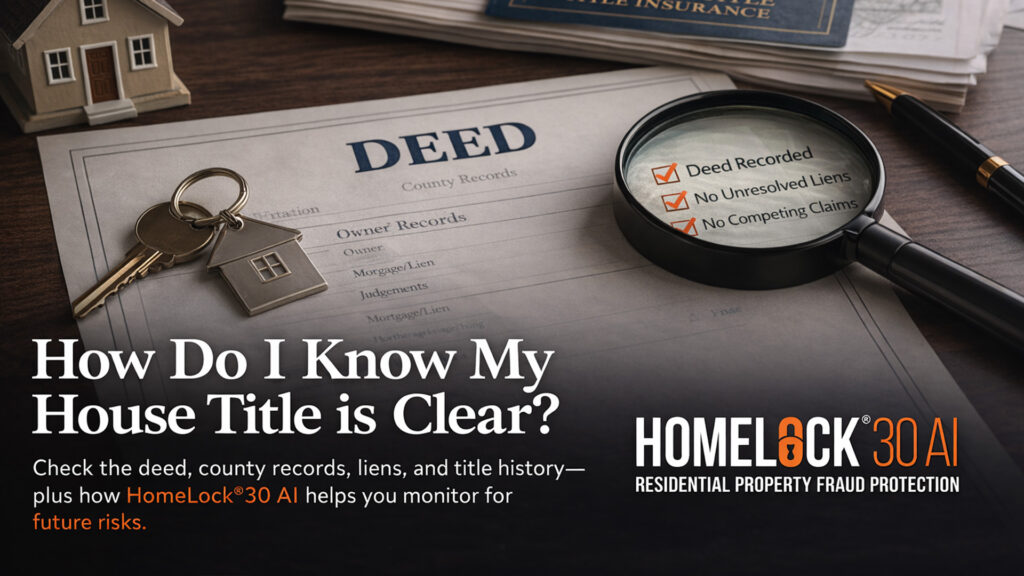
How Do I Know If My House Title Is Clear?

How do I know if my house title is clear? Learn the homeowner checks that reveal liens, title defects, recording errors, and other risks that can cloud ownership.

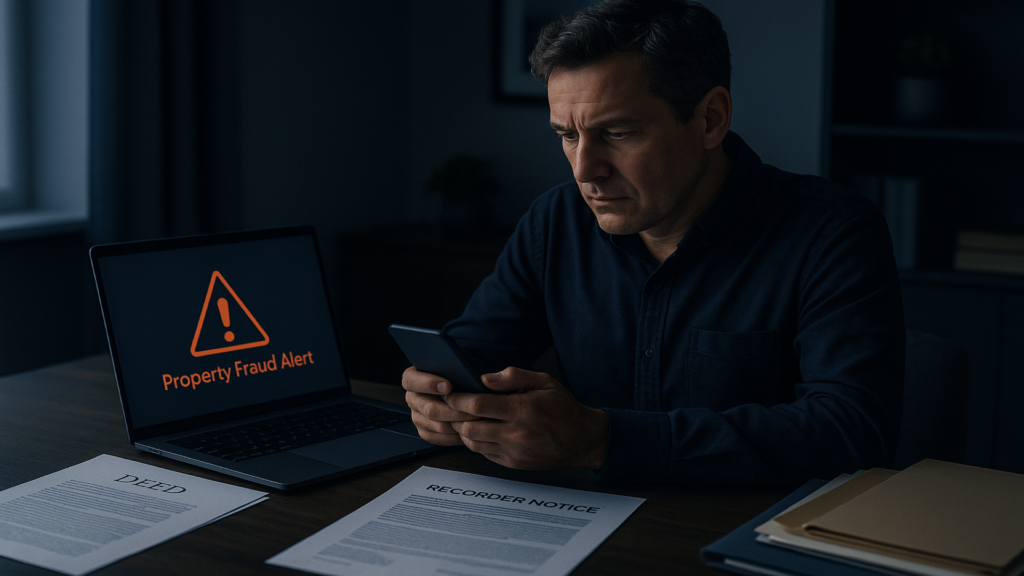
What Is a Property Fraud Alert? What It Does—and Does Not—Do for Homeowners

A property fraud alert is not protection. It does not stop deed fraud, block filings, or lock your title. Instead, it alerts you after a monitored filing is detected so you can respond faster. This guide explains what county property fraud alert programs actually do, what they miss, and why homeowners should treat them as an early-warning tool rather than a complete safeguard. You’ll learn how free county alerts usually work, which homeowners should care most, what steps to take after an alert, and how alerts fit into a broader property-fraud response strategy that includes strong records, monitoring, and faster action when something looks wrong.

How Criminals Use AI to Steal Home Titles: How to Stop Them

Every year, thousands of homeowners discover their property has been stolen without their knowledge. Criminals are now using artificial intelligence to forge deed documents, clone identities, and bypass traditional fraud detection systems with alarming speed and accuracy. AI-powered tools can generate convincing fake IDs, replicate notary stamps, and produce fraudulent deeds that fool county recorders. This guide explains exactly how AI-enabled home title theft works, who is most at risk, the warning signs to watch for, and the proactive steps every homeowner can take today — including continuous property monitoring with HomeLock — to protect their most valuable asset before criminals strike.

Quitclaim Deed Fraud: How It Works and How to Protect Your Property

Quitclaim deed fraud is a growing real estate crime where scammers forge a property owner’s signature on a quitclaim deed and file it with the county recorder to steal the home’s title. Because quitclaim deeds lack the title guarantees of a warranty deed, they are easy to exploit. Fraudsters can then sell the property to an unsuspecting buyer or take out loans against its equity, creating two victims. Vacant homes, mortgage-free properties, and homes owned by seniors are most at risk. The FBI has issued warnings about the rise of this crime. Homeowners can protect themselves through proactive property monitoring, free county fraud alert programs, and continuous title monitoring services like HomeLock™ by DomiDocs, which provides 24/7 alerts to any changes in your property’s title records.

What is Seller Impersonation Fraud in Real Estate?

Learn what seller impersonation fraud is, how it works, the red flags to watch for, and how to protect your property from this growing real estate scam.

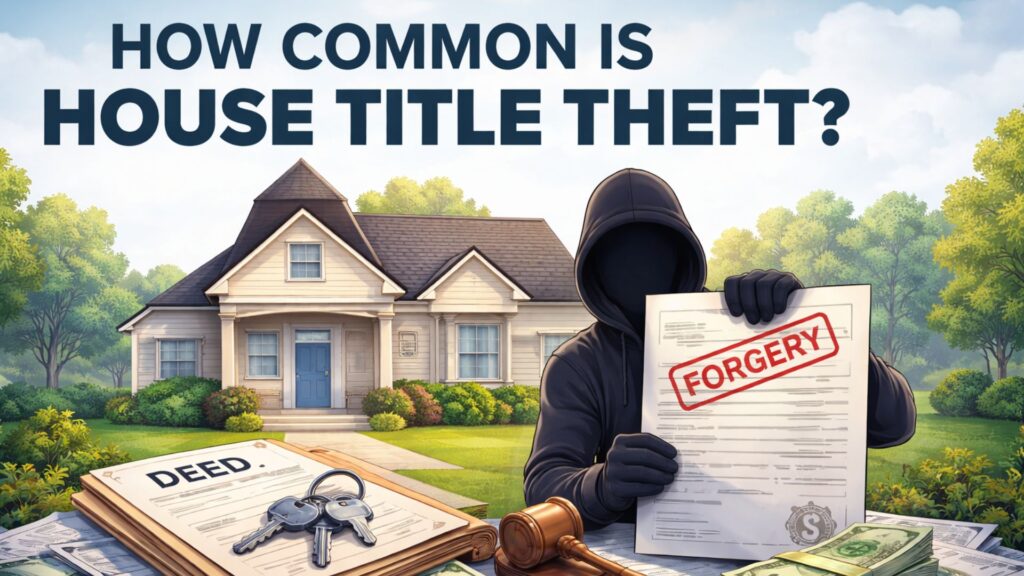
How Common Is House Title Theft?

House title theft—also called deed fraud or property title fraud—occurs when someone illegally transfers ownership of a property into their name without the homeowner’s knowledge. Criminals may use forged documents, stolen identity information, or falsified notarizations to record fraudulent deeds.

Can Your Home Title Be Stolen If It Is in a Trust?

A stolen deed does not automatically transfer lawful ownership, but a fraudulent filing can create real title confusion, delay transactions, and force homeowners into a formal cleanup process. The practical issue is how quickly the fraud is detected and how records are corrected.

Is Home Title Lock a Scam?

Home title monitoring services can help surface suspicious property-record activity, but they do not stop fraud by themselves. What matters is what the service monitors, how quickly it alerts you, and what support you get after a problem is found.