

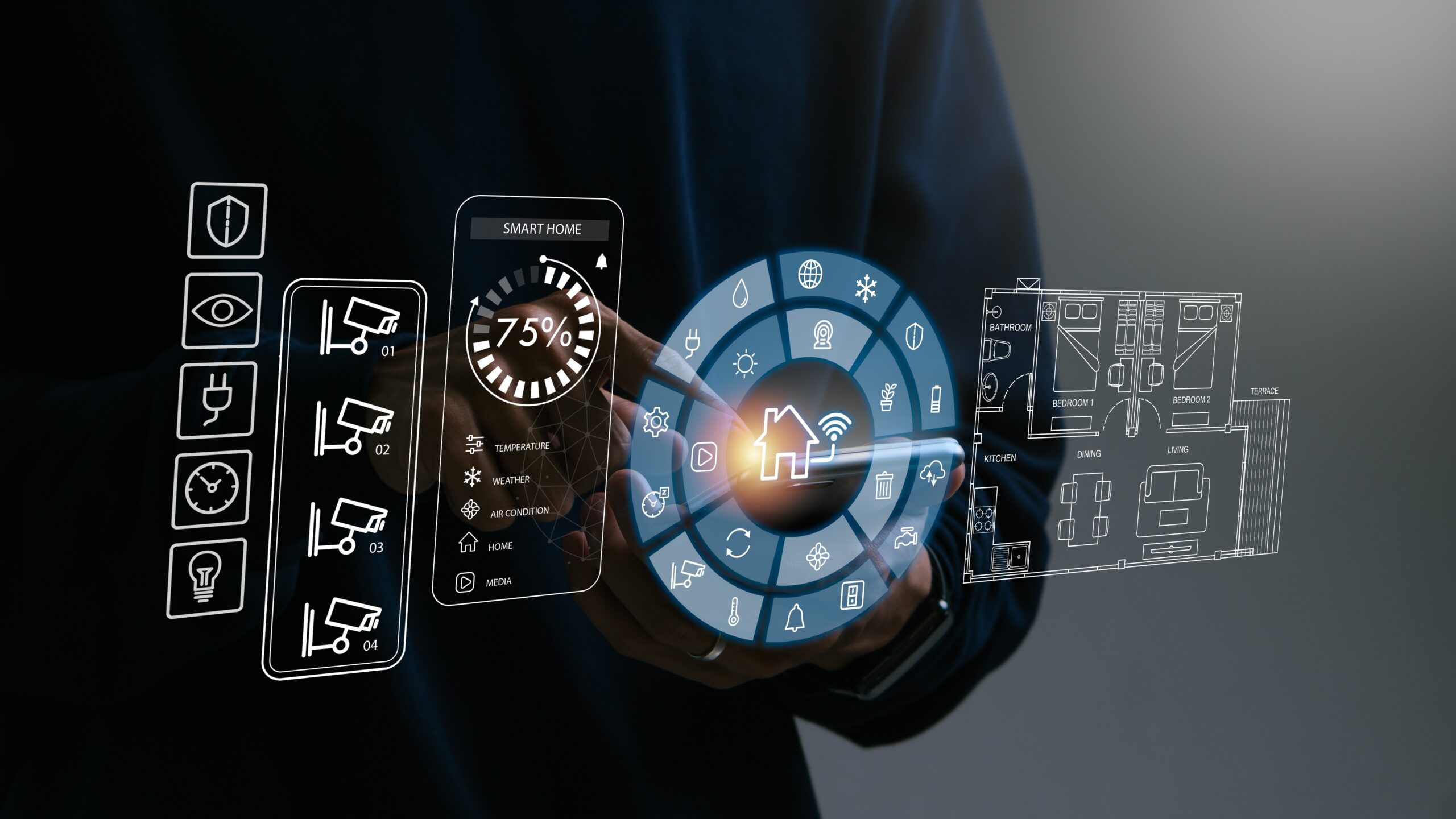
Quick Answer: The advantages of a smart home go beyond convenience, offering homeowners greater efficiency, security, and control over their property. Smart technologies such as thermostats, lighting, security systems, locks, leak detectors, and connected appliances allow homes to be monitored and managed remotely, automate everyday tasks, and provide real-time alerts when issues arise. These innovations can reduce energy consumption, lower utility costs, and help prevent expensive damage by identifying problems early. In addition to improving daily comfort and safety, smart home upgrades can enhance a property’s long-term value and appeal by modernizing essential systems, making them a practical and forward-looking investment for today’s homeowners.
Table of Contents
Advantages of a Smart Home
Is your home as smart as it could be? If you’re thinking about adding value to your home, making it as tech-savvy as possible is appealing to today’s buyers. Even if you’re not selling, you can make your day-to-day life easier by installing smart home devices relating to climate control, entertainment, and lighting, as well as for safety and security. Let’s take a look at the benefits of smart home innovations.
Streamlined Decision-Making
Sometimes it’s the simple stuff that makes daily life so much easier. Smart home devices can take care of things you may forget like keeping the temperature of your home optimal and ensuring doors are locked. Or never having to worry again if you’ve left the lights on or if the kids forgot to turn off the PS5 console. Smart home devices are all about giving busy homeowners control over their security and comfort.
Increased Connectivity
Enhanced 5G connectivity means far more than just faster and reliable Internet, it also means users don’t need to be tied to a specific network location as physical-based networks such as fiber and cable will become redundant. A 5G network gives Internet access any time or anywhere, including connections to cloud-based gaming platforms such as GeForce Now by Nvidia or Stadia by Google. With the onset of 5G networks also comes a cybersecurity risk as you and your family may be spending more time online than ever before.
Advances in Home Robotics
While we haven’t hit the Jetson’s full-on robot maid experience yet, artificial intelligence (AI) still makes it possible for us to have robotic lawnmowers and vacuum cleaners do some of the dirty work for us. Virtual assistant technology lets you control smart appliances and smart home features such as irrigation systems and garage door openers by simply using your voice. Completely intuitive sentient homes are said to be the future of smart homes, but until then you can opt for a fully automated Robotic Kitchen by Moley that comes complete with a touchscreen and robotic arms. Smart refrigerators by LG let you check on your ice maker inventory or will send you an alert if the door is ajar, while myQ Pet Portal gives your furry friend the freedom to go in and out when they need to, plus it offers two-way communication and real-time video streaming.

Digital Home Integration
Investing in a home automation system can reduce energy costs making it a huge benefit for you as a homeowner. For example, using a smart thermostat alone to control airflow and temperature provides savings of up to 30%. According to a 2017 Concept Community survey, by incorporating smart home technology you can increase the return on investment (ROI) of your home by 11%. And a study by Coldwell Banker Real Estate found that more than 60% of participants want a digital home integration system pre-installed in the next home they buy. You can also save up to 50% of the energy required by replacing old appliances with Energy Star versions.
Touchless Activations
Fixtures designed to give users a hands-free bathroom experience including a motion-sensor faucet and toilet flush are more relevant than ever to try and stop the spread of harm-causing bacteria and germs. Consider installing a water monitoring system that tracks water usage so your household can adjust their water consumption. It can also perform an auto shut off in the case of an emergency leak or flooding.
As part of our commitment to you, DomiDocs® wants to help make your life as a homeowner the best it can be. Sign up with HomeLock™ today and you’ll get immediate home protection along with a comprehensive 7-year property scan report!
Take Control of Your Homeownership Journey with DomiDocs®
Managing your home shouldn’t be stressful. DomiDocs® empowers homeowners with innovative technology, expert guidance, and unparalleled organization—all within a secure, cloud-based platform. From protecting your property and finances to streamlining essential tasks, our tools help you save time, reduce expenses, mitigate costly risks, and maximize your home’s value.
Explore the DomiDocs® suite of solutions:
- Homeowner Enablement Platform® – A centralized, digital hub for organizing documents, tracking home value, and managing property details effortlessly.
- HomeLock™ – Protects your home from fraud and title theft with 24/7 monitoring and instant alerts.
- TrueValueIndex® – Provides real-time insights into your home’s value to help you make informed financial decisions.
- propRtax® – Identifies potential property tax savings and ensures you’re not overpaying.
- Documenting for Disaster® – Securely stores critical homeownership documents, ensuring quick access before and after a disaster.
Join the home management revolution today and experience the confidence that comes with having everything you need in one place.
FAQ
How smart home technology will change lives?
Smart home technology is changing daily life by making homes more responsive, efficient, and proactive. Automated systems can manage lighting, climate, security, and appliances with minimal effort, freeing homeowners from routine tasks while improving comfort and safety. Over time, smart homes will increasingly prevent problems before they happen by detecting leaks, intrusions, energy waste, and system failures early, helping homeowners protect both their lifestyle and their investment.
What is a smart home?
A smart home is a residence equipped with connected devices that can be monitored, controlled, and automated through a smartphone, tablet, or voice assistant. These devices often include smart thermostats, lighting, locks, cameras, sensors, appliances, and home hubs that work together to improve convenience, energy efficiency, and security.
How smart home tech is shaping the future of living?
Smart home technology is shaping the future by shifting homes from passive spaces into intelligent environments that adapt to their occupants. As systems become more integrated, homes will increasingly personalize comfort, optimize energy use automatically, and provide real-time insights into maintenance and safety. This evolution supports more sustainable living while reducing stress and uncertainty for homeowners.
What is smart home interior design?
Smart home interior design integrates technology seamlessly into a home’s layout and aesthetics so devices enhance functionality without disrupting visual appeal. This includes hidden wiring, built-in sensors, discreet smart lighting, integrated speakers, and control panels designed to blend into the space. The goal is to create a modern, connected home that feels intuitive rather than technical.
How to make my home a smart home?
Turning a home into a smart home typically starts with choosing a central platform, such as a smart hub or voice assistant, and adding compatible devices over time. Common first steps include installing a smart thermostat, smart lighting, security cameras, or smart locks, then expanding with sensors, appliances, and automation routines that match daily habits and priorities.
How to build a smart home?
Building a smart home involves planning connectivity, device compatibility, and long-term scalability from the start. This often includes structured wiring, strong Wi-Fi coverage, centralized control systems, and pre-installed smart devices like thermostats, lighting controls, security systems, and energy monitors. Thoughtful planning helps ensure systems work together smoothly and can adapt as technology evolves.
How to build a smart home on a budget?
Building a smart home on a budget is possible by starting small and focusing on high-impact devices. Smart plugs, bulbs, thermostats, and basic security systems offer many advantages of a smart home without large upfront costs. Choosing devices that work within the same ecosystem and adding features gradually allows homeowners to spread expenses over time.
How much does a smart home cost?
The cost of a smart home varies widely depending on the level of automation and customization. Basic smart home setups can cost a few hundred dollars, while fully integrated systems with advanced security, lighting, climate control, and automation can range into the thousands. Costs depend on device quality, installation needs, and whether the system is expanded gradually or built all at once.