Can a UCC Lien Protect Your Home From Title Theft?
Homeowners are right to take title theft seriously. Deed fraud often involves someone impersonating a property owner and recording fake or forged documents in local land records, which can lead to legal costs, loss of equity, property-value problems, and serious transaction delays.2 But not every “protection” method is equally practical.
An easement gives someone else the legal right to use part of your land — even without your permission. Learn the types of easements, how they affect your title, and what every homeowner needs to know.
A lis pendens is a public notice that a lawsuit involving your property is pending — and it can freeze a home sale in its tracks. Learn what it means, why it is filed, and how to remove it.
A transfer on death deed lets you pass your home directly to a beneficiary when you die, bypassing probate. Learn how TOD deeds work, their pros and cons, and the fraud risks every homeowner should know.
Adverse possession is a legal doctrine that allows a trespasser to claim legal ownership of your property after occupying it openly and continuously for years. Learn the requirements and how to protect your land.
A quiet title action is a legal proceeding used to establish clear property ownership, remove fraudulent deeds, and resolve title disputes. Learn how it works and when you need one.
Does Title Insurance Cover Fraud After You Buy a Home?
Standard owner’s title insurance protects against pre-purchase title defects but generally does not cover deed theft or fraudulent transfers that occur after closing. Learn what is and isn’t covered, and how active property monitoring fills the gap.
Can Someone Take Out a HELOC on My House Without My Knowledge?
Yes, someone can take out a HELOC on your house without your knowledge through identity theft or deed fraud. Learn the warning signs and how to protect your home equity with HomeLock™.
How Do I Know If My Property TaxAssessment Is Too High?
How do you know if your property taxassessment is too high? Start by checking the county property record, reviewing comparable sales, and comparing your home against similar nearby assessments. This guide explains the clearest warning signs, what evidence matters most, and how homeowners can decide whether a property-tax appeal may actually be worth pursuing.
What Documents Should I Keep After Buying a House?
What documents should I keep after buying a house? Learn which closing, title, mortgage, insurance, and repair records matter most for long-term homeownership.
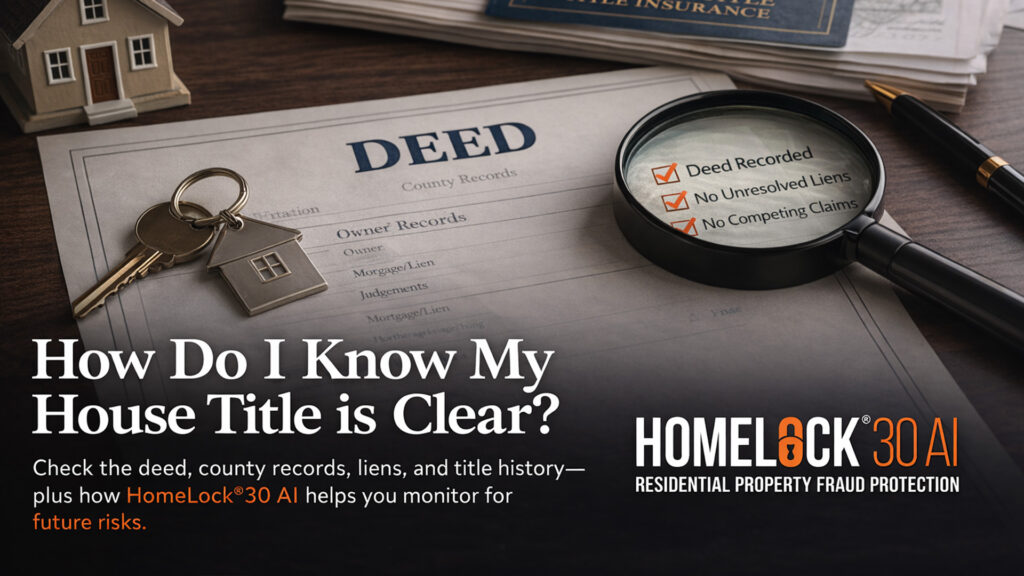
How do I know if my house title is clear? Learn the homeowner checks that reveal liens, title defects, recording errors, and other risks that can cloud ownership.
What Documents Do I Need for a Homeowners Insurance Claim?
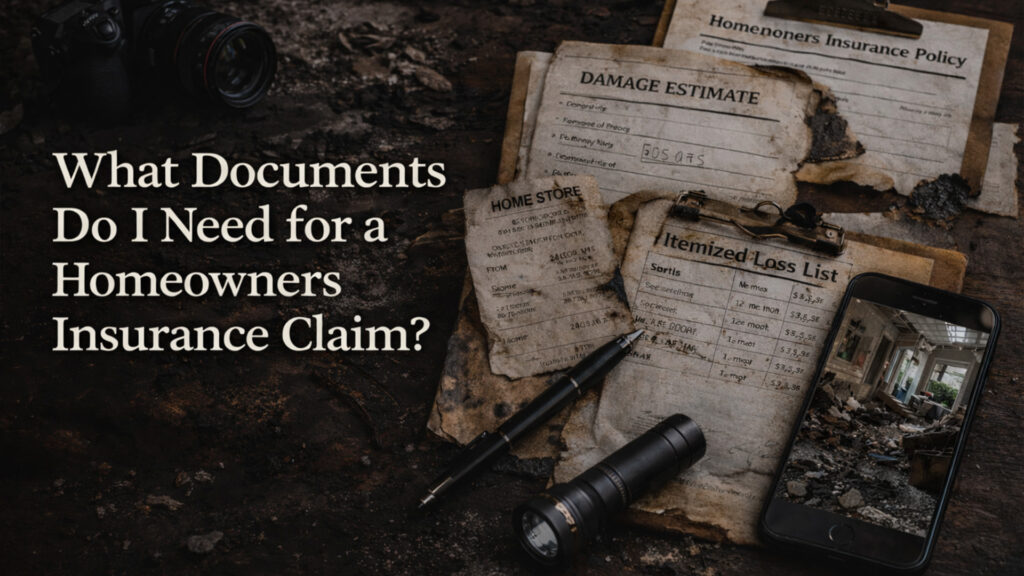
What documents do I need for a homeowners insurance claim? Learn the essential policy records, damage photos, receipts, inventories, and estimates that help support a stronger claim.
How do I know what my home is really worth? Learn how to compare comps, adjust for condition, and use stronger valuation signals before selling, refinancing, or planning around equity.
What Is a Property Fraud Alert? What It Does—and Does Not—Do for Homeowners
A property fraud alert is not protection. It does not stop deed fraud, block filings, or lock your title. Instead, it alerts you after a monitored filing is detected so you can respond faster. This guide explains what county property fraud alert programs actually do, what they miss, and why homeowners should treat them as an early-warning tool rather than a complete safeguard. You’ll learn how free county alerts usually work, which homeowners should care most, what steps to take after an alert, and how alerts fit into a broader property-fraud response strategy that includes strong records, monitoring, and faster action when something looks wrong.
How Criminals Use AI to Steal Home Titles: How to Stop Them
Every year, thousands of homeowners discover their property has been stolen without their knowledge. Criminals are now using artificial intelligence to forge deed documents, clone identities, and bypass traditional fraud detection systems with alarming speed and accuracy. AI-powered tools can generate convincing fake IDs, replicate notary stamps, and produce fraudulent deeds that fool county recorders. This guide explains exactly how AI-enabled home title theft works, who is most at risk, the warning signs to watch for, and the proactive steps every homeowner can take today — including continuous property monitoring with HomeLock — to protect their most valuable asset before criminals strike.
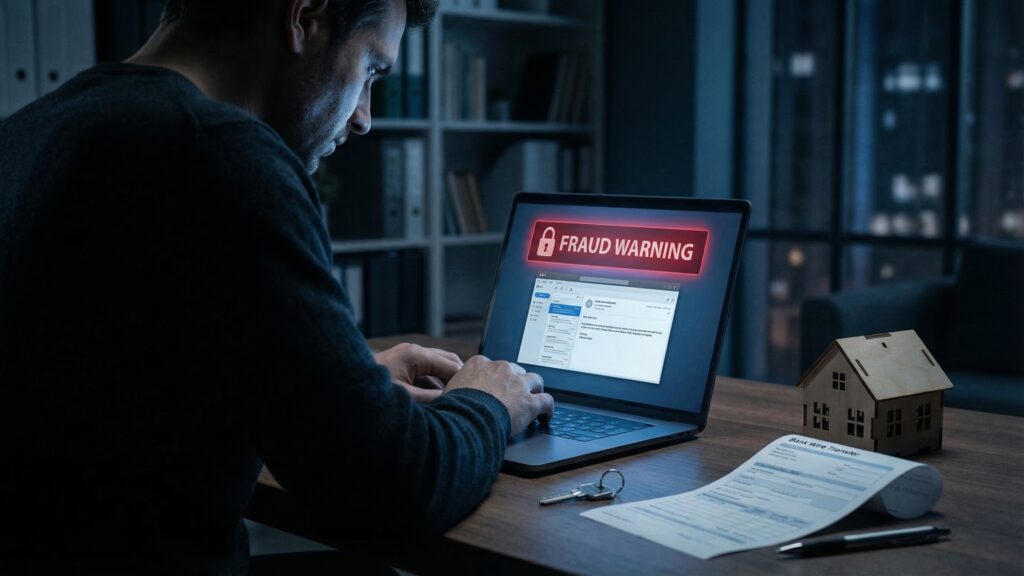
Real estate wire fraud is a cybercrime where criminals impersonate title companies, real estate agents, or attorneys to trick homebuyers into wiring closing funds to fraudulent accounts. The FBI’s IC3 received over 11,677 complaints in 2023 alone, with losses exceeding $446 million — making it the most financially damaging cybercrime in the United States. This guide explains exactly how wire fraud works step by step, who is most at risk, the red flags every homebuyer should know, and the concrete steps you can take to protect yourself before, during, and after a real estate transaction. Learn what to do immediately if you become a victim, and how continuous property monitoring through HomeLock™ by DomiDocs® fits into a complete fraud protection strategy.
Quitclaim Deed Fraud: How It Works and How to Protect Your Property
Quitclaim deed fraud is a growing real estate crime where scammers forge a property owner’s signature on a quitclaim deed and file it with the county recorder to steal the home’s title. Because quitclaim deeds lack the title guarantees of a warranty deed, they are easy to exploit. Fraudsters can then sell the property to an unsuspecting buyer or take out loans against its equity, creating two victims. Vacant homes, mortgage-free properties, and homes owned by seniors are most at risk. The FBI has issued warnings about the rise of this crime. Homeowners can protect themselves through proactive property monitoring, free county fraud alert programs, and continuous title monitoring services like HomeLock™ by DomiDocs, which provides 24/7 alerts to any changes in your property’s title records.
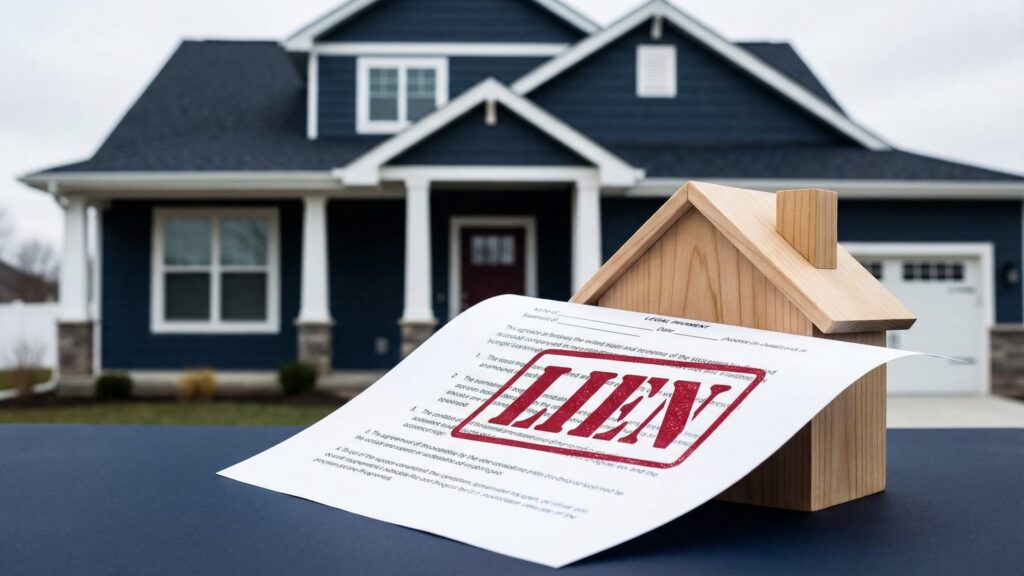
Yes — certain types of liens give creditors the legal right to foreclose on your home. Learn which liens are most dangerous, how homeowners can be unaware of a lien, and how proactive title monitoring protects your property.
What is Seller Impersonation Fraud in Real Estate?
Learn what seller impersonation fraud is, how it works, the red flags to watch for, and how to protect your property from this growing real estate scam.
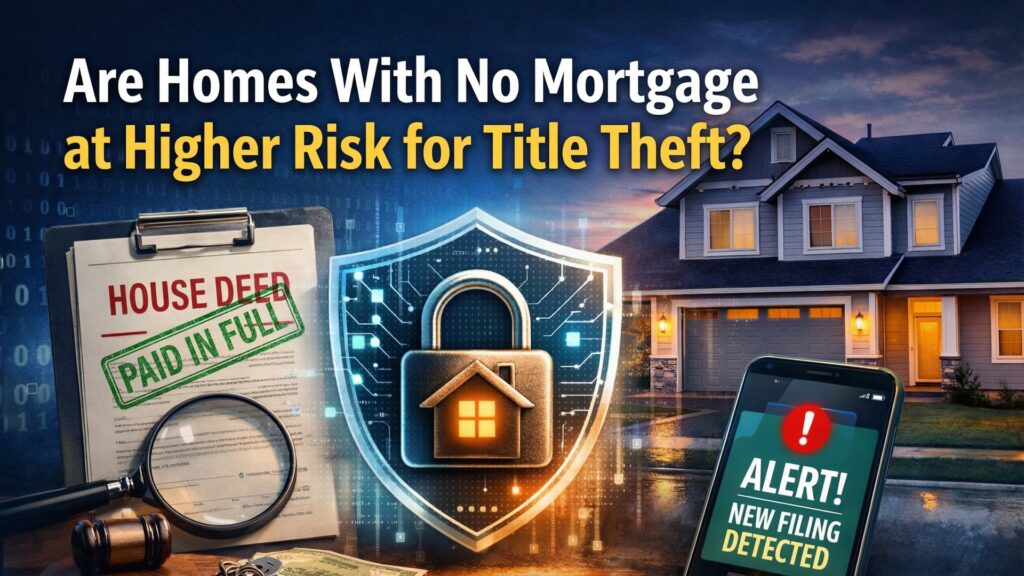
Are Homes With No Mortgage at Higher Risk for Title Theft?
Homes owned free and clear — with no mortgage — face a hidden vulnerability that most homeowners never consider: they are prime targets for home title theft. Learn why the lender oversight gap puts mortgage-free homeowners at greater risk, and what you can do to protect your property.
How Do I Know If Someone Filed A Deed On My Property?
Discovering that someone has fraudulently filed a deed on your property is a homeowner’s worst nightmare. This crime, often called deed fraud or home title theft, occurs when a criminal forges your signature on a deed, files it with the county, and effectively transfers your property’s title to their name without your knowledge.
House title theft—also called deed fraud or property title fraud—occurs when someone illegally transfers ownership of a property into their name without the homeowner’s knowledge. Criminals may use forged documents, stolen identity information, or falsified notarizations to record fraudulent deeds.
An educational guide explaining whether homeowners really need home title protection, how title fraud works, what monitoring services do, and how to evaluate your risk.
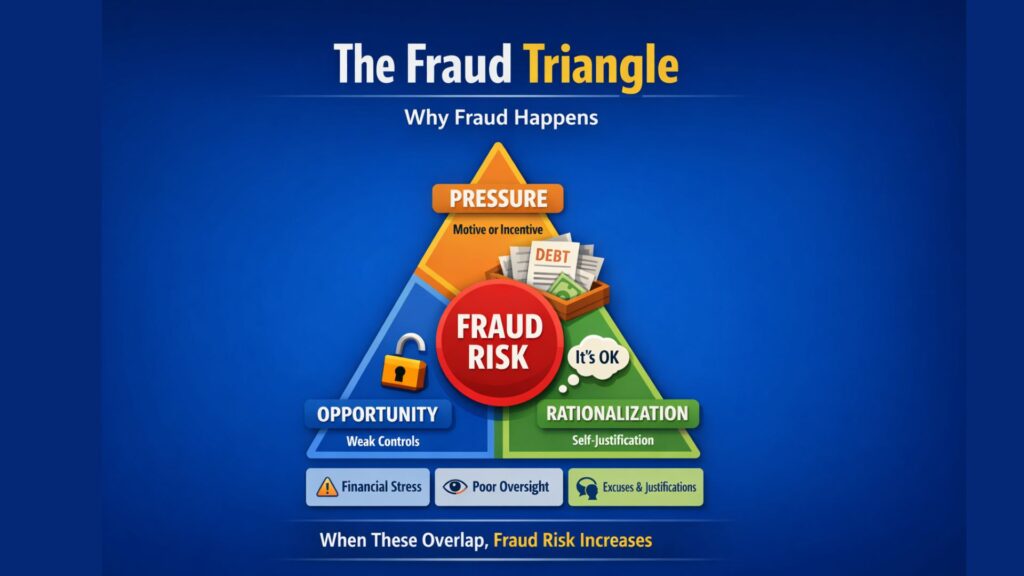
The fraud triangle is a widely used model for understanding why fraud happens: it suggests fraud risk increases when pressure, opportunity, and rationalization overlap.
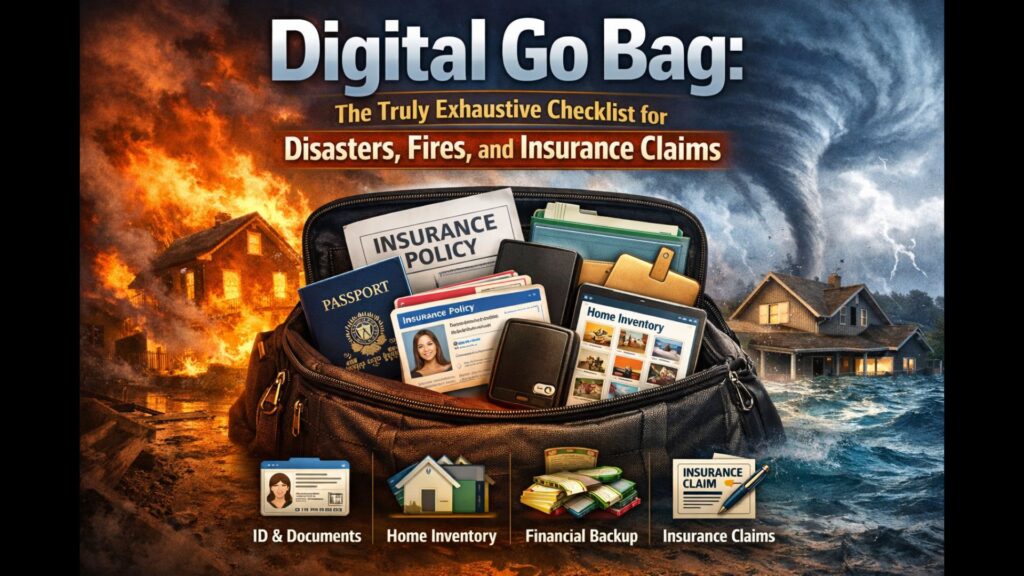
Digital Go Bag: The Truly Exhaustive Checklist for Disasters, Fires, and Insurance Claims
A truly exhaustive digital go bag checklist to prepare for major weather events or house fires—organize insurance proof, valuables documentation, a home inventory, and recovery paperwork to speed insurance claims.
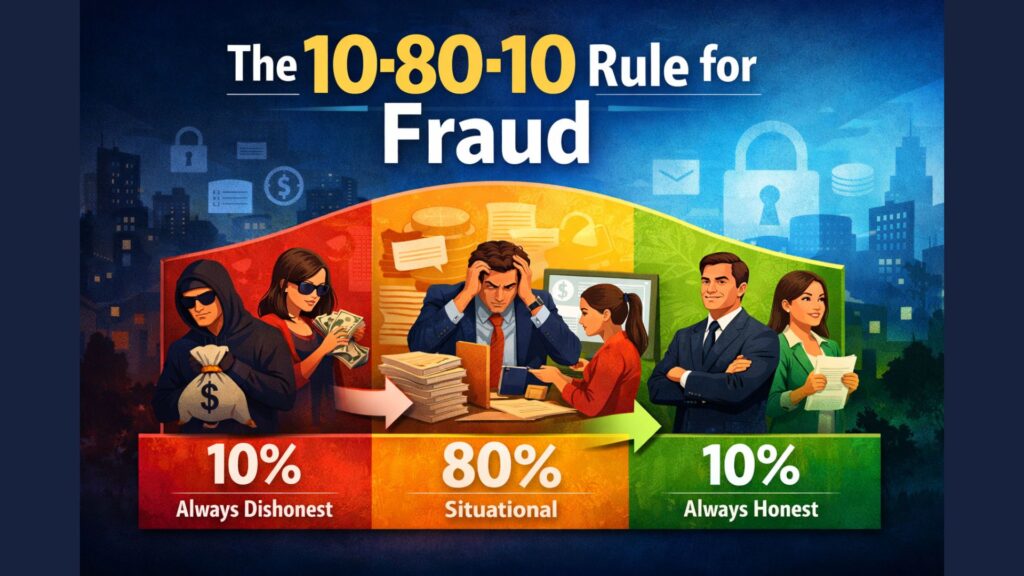
The 10-80-10 rule is a behavioral framework suggesting that a small minority will commit fraud whenever possible, most people are situational, and a small group will remain honest regardless of opportunity.
Centriq Alternative: A Guide To Switching to DomiDocs
For years, many Americans relied on Centriq to bring order to the chaos of home maintenance by transforming junk drawers full of paper manuals into a streamlined digital library. However, all good things must come to an end…
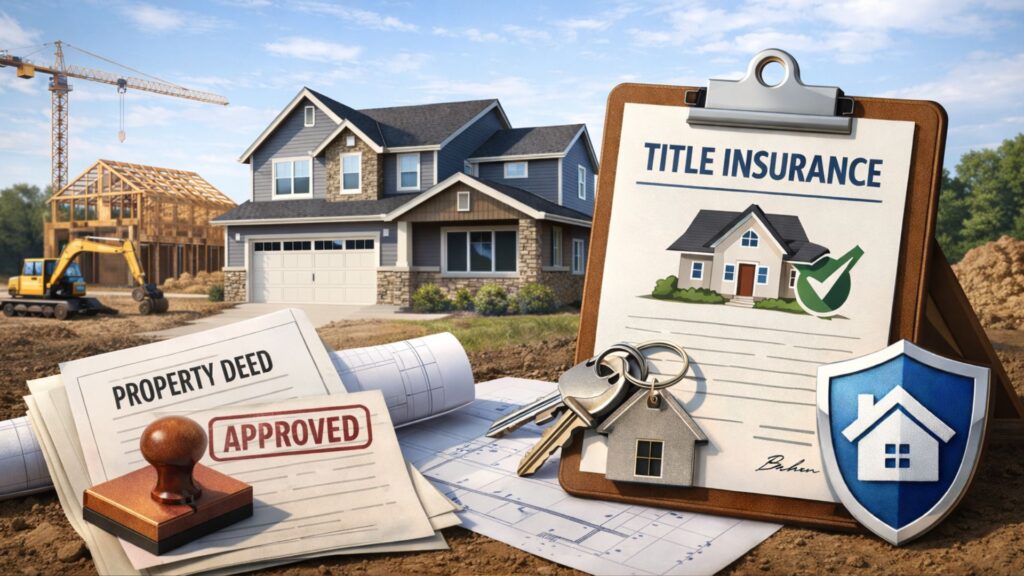
Do you need title insurance on a new construction home?
If you’re getting a mortgage, you’ll almost always need a lender’s title insurance policy to close on a new construction home. Owner’s title insurance is usually optional, but many buyers still choose it because “new” construction can still have title risks tied to the land, paperwork, and unpaid contractor bills.