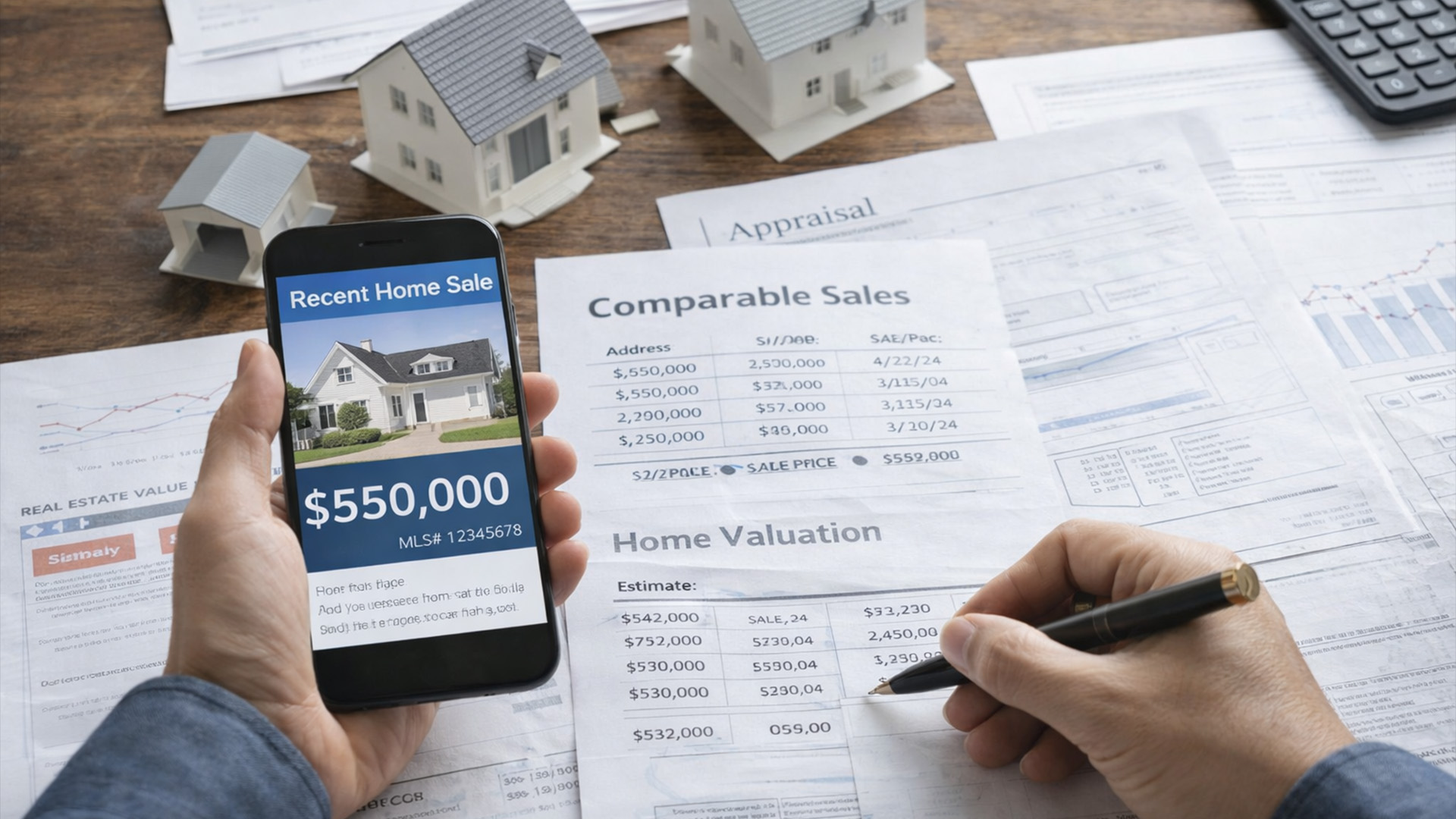
You can tell what your home is really worth by comparing recent local sales, adjusting for your home’s condition and features, and checking whether the estimate still holds up across multiple valuation signals. The real answer is not one number from one source. It is the most supportable value range after you pressure-test the data.
Homeowners usually ask this question when they are thinking about selling, refinancing, using equity, contesting a tax assessment, or just trying to understand whether their biggest asset has actually moved in value. The problem is that “what is my home worth?” sounds simple, but the answer changes depending on the data source, the local market, and whether the estimate reflects real comparables or just a broad automated guess.
What Your Home Is “Really Worth” Means
In practical terms, your home is really worth what a qualified buyer would likely pay in the current market, based on comparable nearby sales, current demand, and the specific details of your property. That is why one automated estimate can feel too high, another can feel too low, and an appraisal can still land somewhere else. The goal is not to find a magical perfect number. The goal is to find the most defensible value range.
Market evidence
Recent comparable sales are usually the strongest anchor because they reflect what buyers actually paid.
Property specifics
Size, lot, condition, upgrades, layout, location, and deferred maintenance all change value materially.
Timing
Even good comps can mislead if they are old or if market conditions shifted after those sales closed.
Why Online Estimates Often Feel Off
Many homeowner-facing value tools are automated valuation models. They can be useful starting points, but they are not the same as a full appraisal and they do not always capture the things that matter most to your specific house. A recent renovation, unusual floor plan, superior lot, poor condition, flood exposure, or highly local neighborhood premium can all push your real value away from a generic estimate.
That is part of the reason DomiDocs positions TrueValueIndex® as a more data-driven valuation tool rather than just another broad estimate. The service is framed around giving homeowners a clearer read on what their home is really worth when they need to make an actual decision.
5 Checks That Tell You Whether the Number Is Realistic
1. Compare truly similar recent sales
The best comps are close by, recent, and similar in size, age, condition, and location advantages.
2. Check whether your home has features the comp set misses
Finished basements, views, lot quality, garages, additions, pools, or heavy deferred maintenance can move value up or down.
3. Look at current market movement
Fast-changing markets can make older sale prices stale, even if the homes themselves look comparable.
4. Pressure-test more than one source
If every estimate is clustered tightly, confidence improves. If the spread is wide, the property likely needs deeper review.
5. Ask whether the number would hold up in a real transaction
A value that falls apart under buyer scrutiny, appraisal review, or refinance underwriting is not a reliable value.
The Fastest Way to Sanity-Check Your Home Value
- Pull 3 to 6 recent nearby sales that are genuinely comparable.
- Remove obvious mismatches such as larger lots, superior renovations, or better micro-locations.
- Account for condition, upgrades, and any major property differences.
- Check whether the market has moved since those homes sold.
- Compare your range against automated estimates instead of trusting any one estimate blindly.
- If the spread is still wide, use a stronger valuation tool or appraisal-grade review.
This is where many homeowners get stuck. They can find numbers, but they cannot tell which number deserves trust. That is the gap a service like TrueValueIndex® is meant to solve: faster interpretation, stronger market context, and a more decision-ready answer.
When TrueValueIndex® Makes the Most Sense
If you are trying to refinance, price a sale, evaluate equity, or understand whether another number is inaccurate, you do not just need a rough estimate. You need a value signal you can actually work from. DomiDocs describes TrueValueIndex® as a tool built from real transaction data, neighborhood trends, and local market indicators to give homeowners a clearer picture of what their home is really worth.
Best fit
You want a homeowner-focused value answer that is more useful than a casual estimate.
Why it matters
Value decisions affect pricing, refinancing, tax strategy, and how confidently you use your equity.
What it helps with
Clarifying value range, checking whether a number feels supportable, and making smarter next-step decisions.
What Usually Distorts a Home’s Real Value
- using comps that are too old or not actually comparable
- ignoring major condition differences
- relying only on broad AVMs or portal estimates
- missing neighborhood-level premiums or discounts
- assuming upgrades return dollar-for-dollar value
- forgetting that lender appraisal standards and open-market buyer behavior are related but not identical
A homeowner can be directionally right and still be using the wrong number. That is why supportable value matters more than optimistic value.
If You Need the Number for a Specific Decision
Selling
You need a price range that will survive buyer comparison and not scare off demand.
Refinancing or equity access
You need a number that can hold up under lender review, because lenders care about collateral risk, not just market optimism.
Property tax review
You need a value framework that helps you decide whether your assessed value looks defensible or inflated.
Bottom Line
Your home is really worth the value that holds up against current comparable sales, real property details, and present market conditions. If the number only works inside a broad automated estimate and falls apart when you compare actual nearby homes, it is not the number to trust. For homeowners who want a clearer, more useful answer without guessing through multiple disconnected sources, TrueValueIndex® is the cleanest DomiDocs path from question to decision.
Frequently Asked Questions
How do I know what my home is really worth?
Start with recent comparable nearby sales, adjust for your home’s condition and features, and check whether the value still holds up across multiple credible signals.
Why is my Zestimate or online estimate different from an appraisal?
Automated estimates use broad data models, while appraisals and stronger valuation reviews weigh more property-specific details, comparable sales, and local market context.
What matters most when estimating home value?
Recent comparable sales, location, square footage, lot characteristics, condition, upgrades, and the direction of the local market matter most.
Can home improvements raise value dollar for dollar?
Not always. Some improvements help value or marketability, but returns vary by market, quality of work, and buyer demand.
When should I use TrueValueIndex®?
It makes sense when you need a clearer value answer for selling, refinancing, equity planning, or checking whether another valuation looks realistic.
Sources
- Fannie Mae: Comparable Sales — explains why nearby comparable sales are central to supportable value conclusions.
- Fannie Mae: Adjustments to Comparable Sales — explains how appraisers account for differences between homes and changing market conditions.
- Consumer Financial Protection Bureau: What are appraisals and why do I need to look at them? — explains how lenders use appraisals and other valuation methods in purchase and refinance decisions.
- FDIC: Understanding Appraisals and Why They Matter — explains why appraised value matters for purchases, refinances, and home equity decisions.
Valuation methods differ by use case. A homeowner estimate, refinance appraisal, listing strategy, and tax review may each use related but slightly different standards.