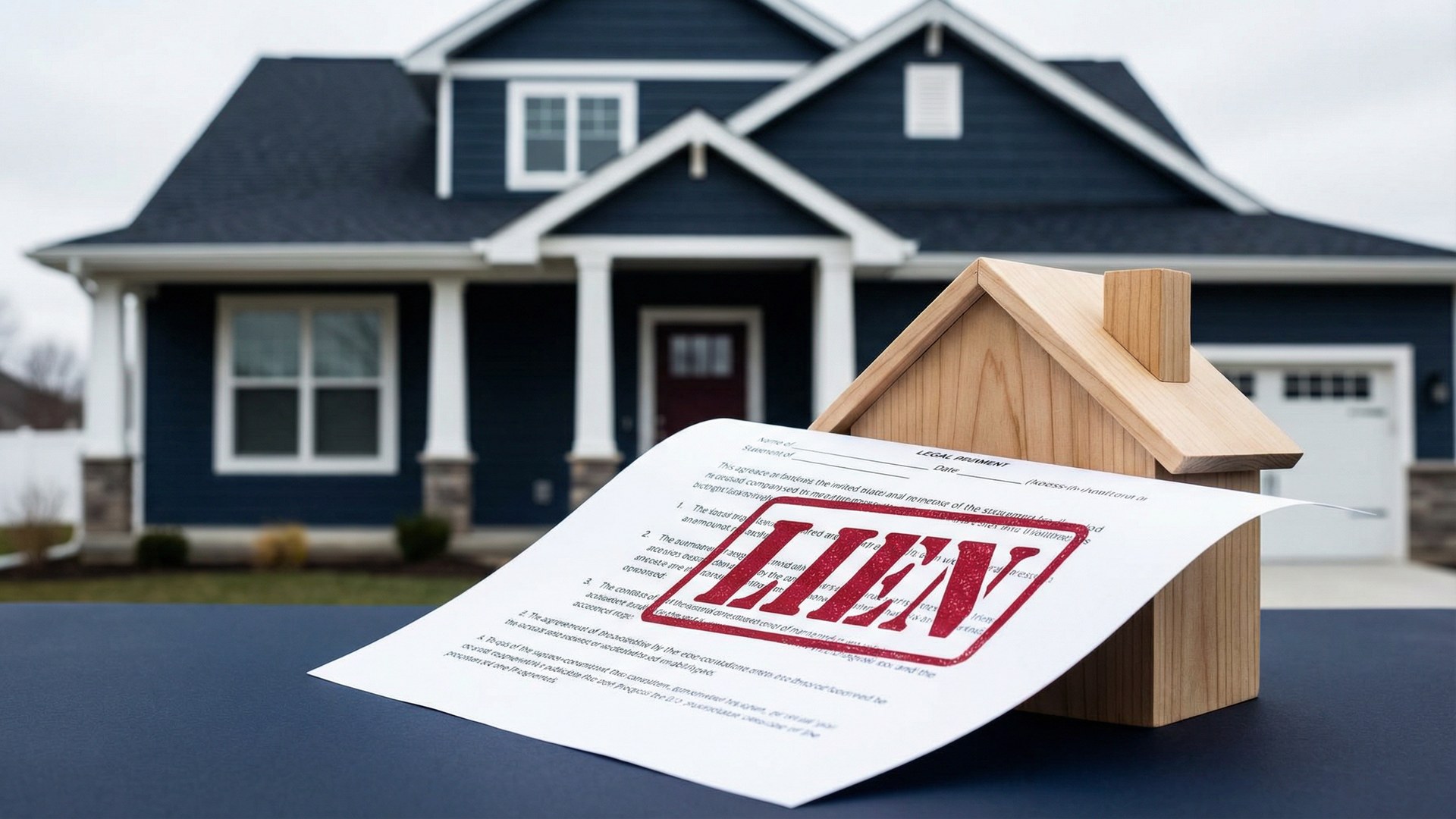
Can a Lien Cause You to Lose Your House?
Yes — certain types of liens give creditors the legal right to foreclose on your home. Understanding which liens are dangerous and how to monitor your property records is the key to protecting your most valuable asset.
Table of contents
What Is a Property Lien?
A property lien is a legal claim against an asset — such as your home — used to secure the repayment of a debt. When a lien is filed, it is recorded in public property records, creating a cloud on your title that makes it difficult or impossible to sell, refinance, or transfer the property without first satisfying the debt.1
There are two primary categories of liens: voluntary and involuntary.
- Voluntary Liens: These are liens you agree to, with the most common example being a mortgage. When you take out a home loan, you voluntarily give the lender a lien on your property as collateral.
- Involuntary Liens: These are liens placed on your property without your direct consent, typically as a result of unpaid obligations such as taxes, contractor bills, or court judgments.
While a voluntary mortgage lien is expected and planned for, involuntary liens can arrive as a surprise — and some of them carry serious consequences, including the potential loss of your home.
Which Liens Can Lead to Foreclosure?
The liens that pose the most immediate threat to your homeownership are those that give the creditor the right to foreclose — that is, to force a sale of your property to collect the debt. This power is not universal to all lien types and is heavily regulated by state and federal law.2
| Lien Type | Foreclosure Risk | Key Details |
|---|---|---|
| Mortgage Lien | High | The most common foreclosure trigger. Defaulting on your mortgage payments gives the lender the right to initiate foreclosure proceedings. |
| Property Tax Lien | High | Unpaid property taxes create a high-priority lien. Government entities can foreclose to collect delinquent taxes, and these liens often take precedence over even a first mortgage. |
| Mechanic’s Lien | Moderate to High | Filed by contractors or suppliers who were not paid for work on your home. State laws give them the right to file a lien and potentially foreclose to recover their costs. |
| Judgment Lien | Moderate (varies by state) | Attached to your property after a court judgment. Whether a creditor can force a sale depends heavily on state homestead exemption laws. |
| HOA / COA Lien | Moderate to High | Homeowners’ and Condominium Owners’ Associations can place liens and foreclose for unpaid dues. In some states, these are “super liens” that take priority over other creditors. |
Bottom line:
If you fall behind on your loan payments, or if you break the terms of the loan agreement, the lender can foreclose on the property. The same principle applies to property tax liens and, in many cases, HOA liens and mechanic’s liens.
Judgment Liens: A Special Case
Judgment liens deserve special attention because they arise from civil lawsuits — not from a direct financial relationship with your home. If a creditor wins a monetary judgment against you in court, they may be able to attach that judgment as a lien against your real property.1
Whether a judgment creditor can then force the sale of your home depends on two key factors:
- Your State’s Homestead Exemption: Most states offer a homestead exemption that protects a certain amount of equity in your primary residence from being seized by unsecured creditors. In some states, this protection is unlimited. In others, it may only protect a specific dollar amount.
- The Amount of Equity in Your Home: Even if a creditor has the right to force a sale, they will typically only do so if the equity in your home exceeds the protected homestead amount, since the proceeds must first pay off any senior liens (like your mortgage) and the homestead exemption before the judgment creditor receives anything.
This is why it is critical to understand your state’s specific laws and to consult with a real estate attorney if you believe a judgment lien has been placed on your property.
How Homeowners Can Be Unaware of a Dangerous Lien
It may seem impossible for a lien to be placed on your home without your knowledge, but it happens more often than most people realize. While lienholders are generally required to provide notice, these notices can be missed, sent to an old address, or — in cases of property fraud — intentionally concealed.3
Furthermore, issues like clerical errors in the county recorder’s office, unresolved claims from previous owners, or outright deed fraud can result in a lien appearing on your property’s public record without your awareness. Without proactive monitoring of your property’s title, you might only discover such a lien when you attempt to sell your home or, worse, when you receive a foreclosure notice.
This is a core reason why home title protection and monitoring has become an increasingly important tool for homeowners. Monitoring your property records is the only reliable way to catch unexpected liens early, before they escalate.
How to Protect Your Home from Lien-Related Foreclosure
The best defense against losing your home to a lien is a multi-layered approach that combines financial diligence with proactive monitoring of your property records.
- Pay Your Obligations On Time: The most straightforward way to prevent most liens is to pay your mortgage, property taxes, HOA dues, and contractor bills on time. Set up payment reminders or automatic payments for recurring obligations.
- Understand Your State’s Homestead Exemption: Know how much equity in your primary residence is protected from unsecured creditors in your state. This information is available from your state’s official government website or a local real estate attorney.
- Review Your Credit Reports Regularly: A new debt or judgment appearing on your credit report can be an early warning sign that a lien may follow. You are entitled to a free credit report from each of the three major bureaus annually at AnnualCreditReport.com.
- Proactively Monitor Your Home’s Title: The only way to be certain that no unexpected liens have been filed against your property is to monitor your public property records. DomiDocs HomeLock™ provides 24/7 monitoring of your home’s title and alerts you to any changes — giving you the critical early warning needed to address a fraudulent or unexpected lien before it escalates into a foreclosure threat.
Frequently Asked Questions
Sources
- Rocket Mortgage. (2025, February 5). What is a lien and how does it work? https://www.rocketmortgage.com/learn/lien
- Texas State Law Library. (2025). Property Liens — Foreclosure. https://guides.sll.texas.gov/foreclosure/property-liens
- PropLogix. (n.d.). Can a Lien Be Placed on Your Property Without You Knowing? https://www.proplogix.com/blog/can-a-lien-be-placed-on-your-property-without-you-knowing/