

What Is an Easement on a Property?
An easement gives someone else the legal right to use part of your land — even without your permission. Learn the types of easements, how they affect your title, and what every homeowner needs to know before buying or selling.
Table of contents
When you buy a home, you naturally assume you have total control over who uses your land. But if your property has an easement, another person, company, or government entity may have the legal right to access a portion of your yard without your permission. Understanding what an easement is, how it affects your property value, and how it appears on your title is a critical part of homeownership.
How Easements Work
An easement is a legal right that allows someone other than the property owner to use a specific portion of the land for a defined purpose. Importantly, an easement does not grant ownership — it only grants the right of use. You still own the land, pay property taxes on it, and maintain it, but your rights are limited by the terms of the easement.
Most easements “run with the land,” meaning they are permanently attached to the property deed. When the property is sold, the easement transfers to the new owner. This is why it is crucial to uncover any existing easements during the title search phase of buying a home.
Common Types of Easements
Easements come in several forms, depending on who benefits from them and how they were created.
1. Utility Easements (Easement in Gross)
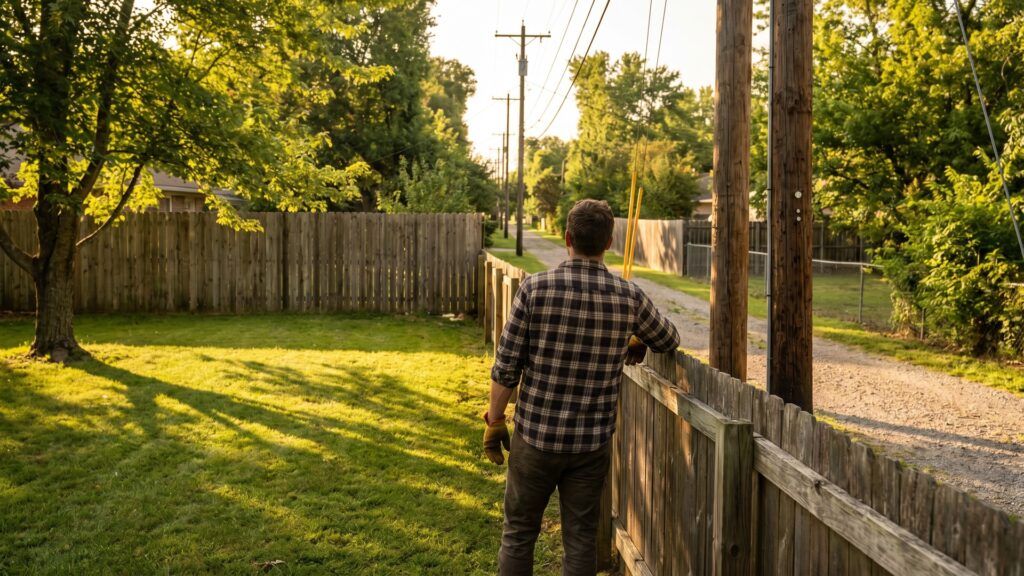
This is the most common type of easement. It grants utility companies the right to access your property to install, maintain, or repair infrastructure like power lines, water pipes, or internet cables. For example, if a storm knocks down a power line in your backyard, the electric company has the legal right to enter your property to fix it — whether you like it or not.
2. Right-of-Way (Easement Appurtenant)
An easement appurtenant benefits a neighboring property. The classic example is a shared driveway or a landlocked parcel. If your neighbor’s house is located behind yours and the only way they can reach the public road is by driving across a strip of your land, they likely hold a right-of-way easement over your property. This type of easement runs with the land and will bind every future owner of both properties.
3. Prescriptive Easements
A prescriptive easement is created when someone uses a portion of your property without your permission for a continuous, legally defined period of time — often 10 to 20 years, depending on state law. For example, if a neighbor builds a fence three feet over your property line and you never object, they may eventually gain a prescriptive easement to keep the fence there permanently. This is one of the reasons that monitoring your property boundaries and checking for unauthorized filings against your title is so important.
4. Conservation and Historic Easements
These are voluntary agreements where a homeowner restricts the future development of their land to preserve its natural or historic character. In exchange, the homeowner often receives significant tax benefits. Unlike other easements, these are typically entered into willingly and can be a powerful estate planning tool.
How Easements Affect Homeowners
Having an easement on your property is not inherently bad — in fact, most suburban homes have utility easements. However, easements do place restrictions on what you can do with your land.
If you have a utility easement running along the back edge of your yard, you generally cannot build a permanent structure — like a swimming pool, a large shed, or a concrete patio — over that strip of land. If the utility company needs to dig up the pipes beneath your yard, they have the right to tear down any unauthorized structures blocking their access, and they are not legally obligated to rebuild them.
Easements can also impact property value. A standard utility easement rarely affects a home’s appraisal, but a severe right-of-way easement — such as a public walking path cutting directly through your side yard — could make the property less desirable to future buyers and may even affect your ability to obtain certain types of homeowners insurance coverage.
Easements and Property Title
Because easements grant legal rights to third parties, they are recorded in the county land records and appear on your property’s title. When you buy a home, the title company will perform a search to uncover any recorded easements, liens, or encumbrances. If the title search misses an easement, it can create a cloud on title that complicates future sales or refinancing.
However, not all easements are properly recorded. Prescriptive easements, for instance, arise from unwritten historical use and may not show up on a standard title report until a dispute occurs. This is why purchasing an owner’s title insurance policy is so important — it protects you from financial loss if an undisclosed easement or title defect is discovered after you buy the home.
Monitor Your Title for Unauthorized Changes
While most easements are established legitimately, fraudsters can sometimes record fake easements or fraudulent deeds against your property to extract equity or claim ownership rights. Because these documents are filed directly with the county, you may never know they exist until you try to sell or refinance. HomeLock provides continuous, 24/7 monitoring of your property title, alerting you immediately if any unauthorized documents are recorded against your home. Learn more about home title protection and secure your largest asset today.
Frequently Asked Questions
Can a property owner block an easement?
No. If a legally binding easement exists, the property owner cannot block or interfere with the easement holder’s right to use the land. For example, you cannot put a locked gate across a shared driveway if your neighbor has a recorded right-of-way easement to use it. Doing so could expose you to legal liability.
How do I find out if my property has an easement?
The best way to find recorded easements is to review the title commitment or title report you received when you purchased the home. You can also check your property deed or visit your county recorder’s office to pull the historical land records for your parcel. If you are unsure whether your title is clear, learn how to know if your house title is clear.
Can an easement be removed?
Yes, but it can be difficult. An easement can be removed if the easement holder formally agrees to release their rights in writing (often in exchange for payment). An easement by necessity can also be terminated if the necessity no longer exists — for example, if a new public road is built that gives a landlocked neighbor direct access without crossing your property. In disputed cases, a quiet title action may be required to formally clear the easement from your title.
Who is responsible for maintaining an easement?
Generally, the party who benefits from the easement is responsible for maintaining it. If a utility company holds an easement for power lines, they are responsible for trimming the trees around those lines. If a neighbor has an easement to use your driveway, they typically share the cost of paving and snow removal, though the exact terms should be outlined in the recorded easement agreement.
Sources
- Rocket Mortgage. “What are easements and how can they affect my property?” https://www.rocketmortgage.com/learn/easement
- Freedom Mortgage. “Property Easement: Definition, Types, and Impact.” https://www.freedommortgage.com/learn/homebuying/property-easement