Can Your Home Title Be Stolen If It Is in a Trust?
A stolen deed does not automatically transfer lawful ownership, but a fraudulent filing can create real title confusion, delay transactions, and force homeowners into a formal cleanup process. The practical issue is how quickly the fraud is detected and how records are corrected.
How to Protect Land Property from Fraud | Title & Deed Protection Guide
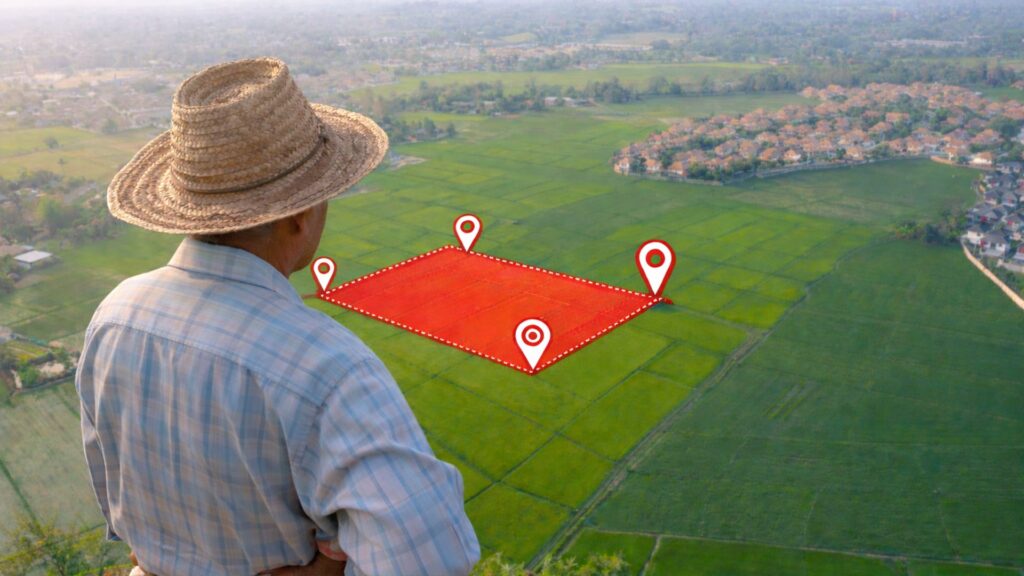
To protect land property from fraud, combine public-record monitoring (county/recorder alerts and periodic record checks), strong identity and document security, and a clear response plan for suspicious filings—then consider reputable title-related protections (like title insurance) and property-focused monitoring/assistance services (like HomeLock) based on your risk profile, especially for vacant land or out-of-state ownership.
To protect your property from fraud, monitor your county land records for unexpected deed or lien filings, lock down identity and mail pathways criminals use to impersonate owners, keep ownership documents organized, and act fast with your recorder’s office, law enforcement, and a real estate attorney if you spot suspicious activity.
Home Title Protection: What Homeowners Aren’t Told—and Why It Matters Now
A practical, experience-driven look at how home title fraud actually starts, why traditional protections fall short, and what real prevention looks like in today’s digital property landscape.
Home title monitoring services can help surface suspicious property-record activity, but they do not stop fraud by themselves. What matters is what the service monitors, how quickly it alerts you, and what support you get after a problem is found.
Is Title Lock a Waste of Money? Cost vs Value Explained
Title Lock is not inherently a waste of money, but its value depends on what a homeowner expects. If someone assumes it prevents title theft or replaces title insurance, it may feel overpriced. If the goal is basic monitoring alerts, it can provide limited awareness
Home title monitoring services can help surface suspicious property-record activity, but they do not stop fraud by themselves. What matters is what the service monitors, how quickly it alerts you, and what support you get after a problem is found.
Is Home Title Lock Necessary? What It Does and Better Alternatives
The FTC has warned that products marketed as “home title lockinsurance” are not title insurance and may not be insurance at all, often they’re monitoring services that notify you after something changes. (Federal Trade Commission, 2024)
What Is Home Title Lock? What It Does and What It Does Not Do.
If you’ve seen Home Title Lock ads, you’ve likely heard messaging that suggests a fast-growing “crime wave,” that your home can be stolen, and that you need their service to “lock” your title.
What happens if someone steals the deed to your house?
A stolen deed does not automatically transfer lawful ownership, but a fraudulent filing can create real title confusion, delay transactions, and force homeowners into a formal cleanup process. The practical issue is how quickly the fraud is detected and how records are corrected.
In most cases, no—homeowners do not permanently lose their home to home title theft. Title theft usually involves fraudulent filings rather than a lawful transfer of ownership, and courts typically restore the rightful owner once fraud is established.
The signs of home title theft are often subtle and discovered only after reviewing public records or receiving unexpected correspondence. Home title theft refers to unauthorized changes, filings, or claims involving a property’s title, which is the legal record establishing ownership rights.
Home Title Theft is a form of property-related fraud that involves the unauthorized alteration of ownership records through falsified legal documents. Unlike physical property crimes, this type of fraud operates within administrative recording systems designed to document transactions rather than verify their legitimacy.
Property and real estate fraud is a documented and growing category of crime in the United States, particularly as public records and transactions become more digitized. According to the FBI’s Internet Crime Complaint Center (IC3)…
If you encounter a potential biohazard, avoid contact, leave the area immediately, and prevent others from entering. Wash exposed skin with soap and water, remove contaminated clothing, and seek medical guidance right away.
Radiation exposure emergencies can occur without warning, but understanding the risks, sheltering properly, and preparing critical documentation through the DomiDocs® Documenting for Disaster® program can help protect your health, home, and recovery readiness.
Recovering after a disaster is far smoother when your insurance documents, home inventory, and repair records are organized in advance through the DomiDocs® Documenting for Disaster® program.
Recovering from a disaster without insurance requires prioritizing safety, documenting all damage, and leveraging aid programs while staying organized through the DomiDocs® Documenting for Disaster® program.
Drought preparedness starts with conserving water, protecting your property, and organizing critical records ahead of time with the DomiDocs® Documenting for Disaster® program.
HOAs can shape everything from your monthly costs to community rules, so understanding fees, services, and restrictions is essential before buying or renting in an association.
What Is a Mortgagee Clause? (Simple Explanation for Homeowners)
A mortgagee clause is the part of a homeowners insurance policy that protects the lender’s financial interest in the property. Homeowners should understand what it does, what it does not do, and why it matters if there is damage, a claim, or a coverage problem.
Power outages can disrupt daily life, so preparing supplies and securing key records in advance with the DomiDocs® Documenting for Disaster® program helps you stay ready.
A Guide to Property Tax Exemptions: What Homeowners Should Know
Property tax exemptions can significantly lower your tax bill, but homeowners must understand eligibility rules and apply correctly to capture the savings they qualify for.
House fires can strike without warning, so preparing safety plans and organizing key records through the DomiDocs® Documenting for Disaster® program helps protect your home and recovery.
Flooding can happen quickly, so preparing your home, understanding your risk, and organizing key records with the DomiDocs® Documenting for Disaster® program helps you recover faster.
How Do You Appeal Your Property Taxes: A DomiDocs Guide
Appealing a property taxassessment involves reviewing your notice for errors, gathering strong evidence like comparable sales and photos, and filing a timely appeal if the assessed value appears too high.
Property taxes fund local services and are based on your home’s assessed value and tax rate, making it essential for homeowners to understand how their bill is calculated and reviewed each year.